



2026.07.22
Tomonoura, the Setting for Ponyo | Complete Guide to Pilgrimage Spots
Tomonoura Sightseeing Guide
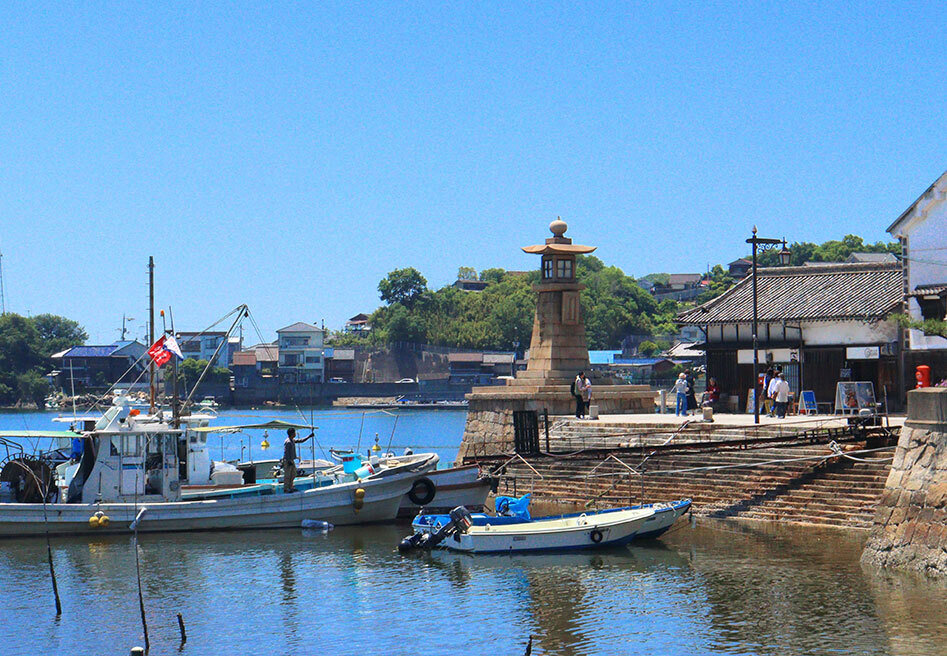
Tomonoura is a small port town in Fukuyama City, Hiroshima Prefecture, facing the Seto Inland Sea. Preserving the charm of the Edo period alongside tranquil seascapes, this town is widely known as the location model for Studio Ghibli's animated film Ponyo on the Cliff by the Sea. Today, anime fans and travelers from all over Japan visit Tomonoura for a holy land pilgrimage.
The connection between Ponyo and Tomonoura originated from the time director Hayao Miyazaki spent in this town. For about two months, he resided in a house atop a cliff overlooking the sea, surrounded by the peaceful waters and coastal charm of Tomonoura. This time remains an indispensable anecdote when discussing the origins of Ponyo. Imagining the director gazing out at these very same waters creates a deeply moving feeling just by standing at the harbor.
In this article, we take you on a journey through the sacred sites of Ponyo, filming locations for Hollywood movies and TV dramas, historic sites associated with Sakamoto Ryoma, and Sengoku-period history--uncovering the many stories interwoven into the port town of Tomonoura.
Ponyo and Tomonoura -- The Port Town Where Director Hayao Miyazaki Spent 2 Months
How Director Miyazaki Discovered Tomonoura
Director Hayao Miyazaki first encountered Tomonoura in November 2004 during a Studio Ghibli company trip, falling in love with its picturesque scenery. In the spring of 2005, he stayed for about two months in a cliffside home overlooking the sea, and is said to have returned in the summer of 2006.
 An endearing story tells that his wife allowed his stay on the condition that he "send a picture postcard every day." Days spent at a seaside house, taking in the views and painting picture postcards, became a cherished period for Director Miyazaki. Subsequently released in 2008, Ponyo on the Cliff by the Sea became closely connected with the town of Tomonoura.
Why It Is Called the "Model for Ponyo's Setting"
While Tomonoura is often called "the setting for Ponyo," the town in the film is not a literal, identical replica. Rather, the ambiance, air, and landscapes Miyazaki experienced during his stay inspired the world of the story--making Tomonoura the true "location model."
Rows of tile-roofed houses, homes standing over the water, and hilltops looking down on the harbor echo the seaside town where Sosuke and Ponyo live. Walking through Tomonoura allows fans to discover subtle fragments of that beloved tale.

The Joyato Lantern Seen from the Sea -- Scenery Evoking Ponyo's World
When visiting Tomonoura, be sure to stand near the town's icon, the Joyato Lantern. Built in 1859, this stone harbor lantern stands 12.1 meters tall from its underwater foundation, making it the largest of its kind standing in a port in Japan.
The view looking back toward the port from a ferry is particularly striking. The lantern, framed by the historic harbor town behind it across calm waters, evokes scenes of the port depicted in Ponyo. It is a spot where you can easily imagine Director Miyazaki taking in the exact same view.

[Ultimate Guide] Ponyo Pilgrimage Spots
Here are the key Ponyo pilgrimage spots to explore on foot. Tomonoura is a compact town with preserved traditional streetscapes, perfect for wandering through narrow alleys and discovering hidden treasures along the way.

Tomonoura Tourist Information Center (Tomotetsu Bus Center) & Hidden Ponyo Details
The Tomonoura Tourist Information Center is an ideal starting point for your pilgrimage. Inside, an autograph by Director Hayao Miyazaki is displayed--a must-see for Ghibli enthusiasts. As you stroll through town, keep an eye out for small Ponyo figures subtly placed at storefronts. Spotting these "hidden Ponyos" adds a treasure-hunt element to your walk.

Nunakuma Shrine
An ancient shrine long enshrined in Tomonoura. Its serene precinct and views of town from the approach offer a peaceful atmosphere. In Ponyo, when the town is submerged in water, the name "Nunakuma" appears on a ship's banner, creating a special connection for attentive fans.

Iouji Temple and the View from Taishiden
Located halfway up a mountain, Iouji Temple is a popular viewpoint overlooking Tomonoura. Climbing 583 stone steps beside the main hall leads to Taishiden Hall. Comfortable walking shoes are recommended for the climb. Looking back from the top reveals sweeping views of the harbor and calm inland sea--a panoramic hilltop vista reminiscent of Sosuke's hometown.

Ofunayodo Iroha (Former Residence of Manzo Uoya)
A historic townhouse where samurai Sakamoto Ryoma negotiated compensation following the "Iroha Maru Incident" during the late Edo period. Interestingly, the current building was renovated based on design sketches drawn by Director Hayao Miyazaki. Here, the distinct legacies of Ryoma and Miyazaki quietly intersect in a single historic building.

Former Naramura Yukio Art Museum
Walking through town, a red-roofed building on a hill catches your eye. The former Naramura Yukio Art Museum (currently closed) is recognized among fans for its resemblance to Sosuke's house in Ponyo. Sitting high over the sea, its red roof creates an iconic accent against the town's landscape.

Seaside Fishing Village Views and Shipyards
Exiting the alleys toward the sea opens up views of fishing boats lined along the harbor, backed closely by green hills. Houses climbing along slopes near the water evoke the seaside town where Sosuke lives. Exploring the shore allows you to feel closely connected to the daily life and calm rhythm of Tomonoura.
 The ultimate charm of Tomonoura lies in its living, working community.
Many spots mentioned are active shrines, private residences, and local workplaces. When visiting, please respect local residents by avoiding private property and practicing polite photography habits as you enjoy your Ponyo pilgrimage.
More Than Ponyo -- Tomonoura as a Film & Drama Location
Beyond inspiring Ponyo, Tomonoura has frequently been selected as a filming location for major movies, television dramas, and music videos. Here are notable productions filmed in town.
Hollywood Blockbuster The Wolverine
Filmed from late August to mid-September 2012, The Wolverine (released in 2013) starring Hugh Jackman shot major scenes in Tomonoura. Filming took place around the Joyato Lantern, Ota Residence, and Enfukuji Temple. Walking through town after watching the film offers the excitement of matching real-life sights to cinematic scenes.

Sunday Theatre Drama Ryuusei Wagon
Broadcast in 2015 and based on Kiyoshi Shigematsu's novel, the TV drama Ryuusei Wagon selected Tomonoura as its primary location among numerous coastal candidates. Filming occurred across town, including Iouji Temple and around the Joyato Lantern, preserving memorable scenes throughout the historic streets.

Numerous Other Film and Media Productions
Tomonoura has hosted many other notable film, television, and music video productions, including:
2005: Grave of the Fireflies (TV Drama Special)
2006: Kindaichi Kosuke Series: The Devil Comes and Plays His Flute (TV Drama)
2013: Beyond the Memories (Kiyotaku Yawara) (Film starring Masami Nagasawa & Masaki Okada)
2013: Tomonoura Bojo (Music Video by Misaki Iwasa)
2015: Detective Mitarai's Casebook: Clockwork Current (Film)
2017: Gintama (Live-action film starring Shun Oguri)
2023: Seiyoku (正欲) (Film based on Ryo Asai's novel)
2023: Abi ga Naku (Music Video by Porno Graffitti)
*Years reflect filming dates and may differ from release years.
The timeless combination of Edo-period streetscapes and serene inland sea views continues to attract filmmakers across eras and genres.

[Extra Chapter] Tomonoura as a Stage of Japanese History
In addition to its cinematic fame, Tomonoura has played pivotal roles throughout Japanese history. Here is a brief look into its rich historical legacy.
A Historic "Port for Waiting Out Tides"
During the era of sailing ships, mariners relied on tidal currents for navigation. Positioned near the center of the Seto Inland Sea, Tomonoura was a crucial point where eastward and westward tides reversed.
Ships anchored here to wait for favorable tides, leading Tomonoura to flourish as a famous "port for waiting out tides."
By the Edo period, it grew into a prominent trade port. Scholar Rai Sanyo praised its scenery as "Sanshi Suimei" (radiant mountains and clear waters), while its specialty medicinal liquor, Homeishu, became beloved by travelers and sailors alike.

Sakamoto Ryoma and the "Iroha Maru Incident"
In 1867, during the chaotic late Edo period, the ship Iroha Maru carrying samurai Sakamoto Ryoma collided with the larger Meiko Maru of the Kishu Clan and sank. Following the collision, Ryoma landed in Tomonoura to negotiate financial compensation. Historical sites like Fukuzenji Taichoro and Ofunayodo Iroha served as stages for these tense negotiations.

The Sengoku Era -- "The Muromachi Shogunate Began and Ended in Tomo"
Tomonoura also shaped history during the Sengoku (Warring States) period. Ashikaga Takauji received an imperial decree here to defeat Nitta Yoshisada, marking the origin of the Muromachi Shogunate. Centuries later in 1576, the 15th Shogun Ashikaga Yoshiaki, exiled from Kyoto by Oda Nobunaga, established the "Tomo Shogunate" here under the protection of the Mori Clan, making Tomonoura the final stronghold of the Muromachi Shogunate until 1588.

Access and Travel Tips
Tomonoura is accessible via a 30-minute bus ride from JR Fukuyama Station. The terminal bus stop "Tomoko" serves as the central hub for sightseeing, placing major spots within comfortable walking distance. Ferries to Sensui Island also depart regularly from Tomonoura Port.
All featured locations can easily be explored within a half-day to full-day itinerary. Staying near the Joyato Lantern until dusk is highly recommended, as warm lights turn on and cast a magical ambiance over the harbor.

Summary
From inspiring Studio Ghibli's Ponyo to serving as a backdrop for Hollywood films and historic samurai dramas, Tomonoura is a town where stories of many eras come alive. The tranquil sea and historic townscapes remain unchanged, warmly welcoming every visitor.
Come and experience the sea of Tomonoura with your own eyes--the very same waters that Hayao Miyazaki gazed upon years ago.
The emojis on this site use Twemoji (© Twitter, Inc. and contributors). License: CC-BY 4.0