2026.10.01
Faith and Nunakuma Shrine in Tomonoura | Prayers of a Port Town Passed Down Through the Otebi Fire Ritual
Tomonoura Historical Chronicles
Tomonoura History Chronicles Vol. 10
Tomonoura, which flourished as a port for awaiting favorable tides, is filled with the stories of people who visited, departed from, and kept this town in their thoughts.
"Tomonoura History Chronicles" is a 12-part series introducing the figures and historical events deeply connected to Tomonoura.
In this 10th volume, we feature Nunakuma Shrine, affectionately known by locals as "Gion-san."
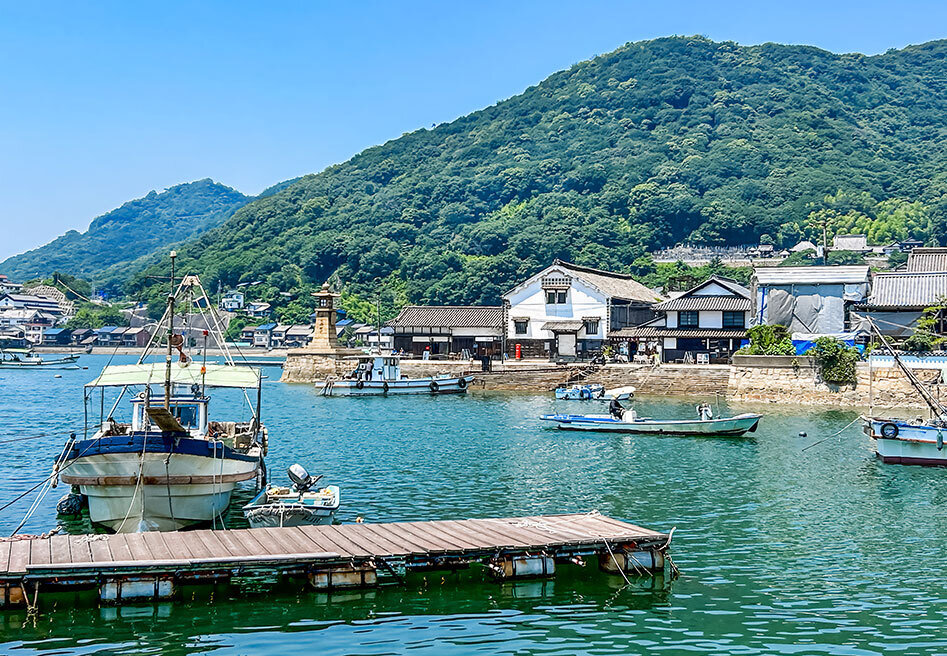
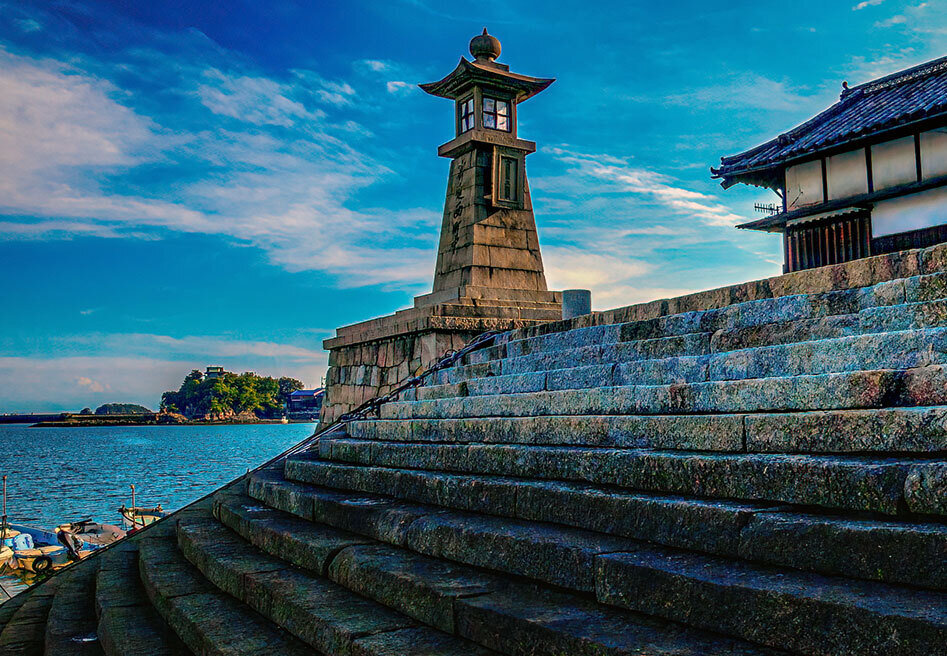
When thinking of Tomonoura, many may picture the harbor area lined with Joyato stone lanterns, gangi stone steps, and traditional townhouses.
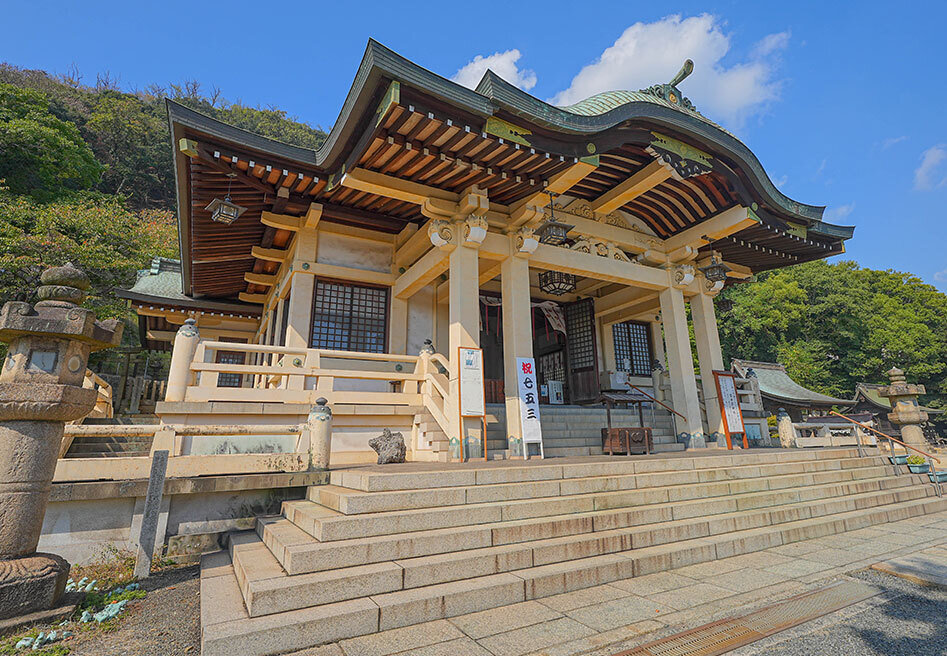
However, taking a short walk inland and ascending the stone stairs leads you to Nunakuma Shrine.
Affectionately called "Gion-san" by local residents even today, the shrine is deeply woven into the daily lives of Tomonoura's people through festivals and regular worship.
It is also closely tied to long-treasured traditional events, including the summer "Otebi Fire Ritual," the Oyumi Archery Ritual, and the Autumn Festival.
In this article, we trace the history of Nunakuma Shrine while introducing the prayers and enduring festivals of Tomonoura's people, who have lived alongside the sea.
Nunakuma Shrine as Recorded in the "Engishiki"
The name of Nunakuma Shrine is recorded in the Jinmyocho (register of shrines) within the Engishiki, compiled in 927 during the Heian period.
Tomonoura first appeared in literature about 200 years earlier in the Man'yoshu. As introduced in previous volumes of "Tomonoura History Chronicles," Otomo no Tabito composed a poem about the "Muronoki" (Japanese plum yew) of Tomonoura in 730.
The presence of Nunakuma Shrine in the later Engishiki demonstrates that Tomonoura was not only an ancient port, but also a place of daily life and spiritual prayer for its people.
The present Nunakuma Shrine was established in 1875 (Meiji 8) when Gion Shrine and Watari-no-Kami Shrine, both located within the grounds, were merged into a single shrine.
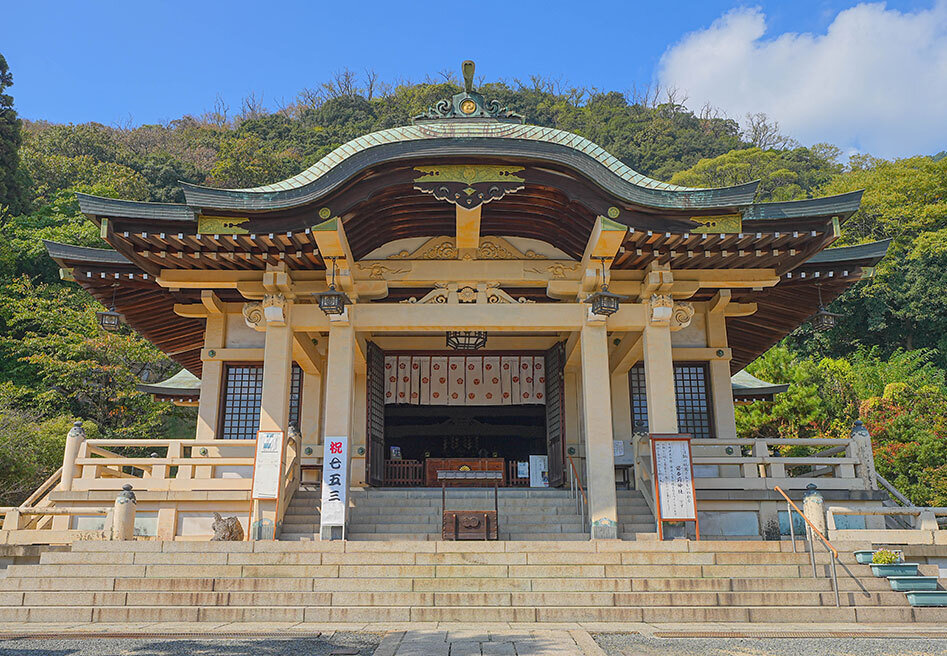 The enshrined deities are Owatatsumi-no-Mikoto, worshipped as the guardian god of maritime safety, and Susanoo-no-Mikoto, prayed to for good health and protection against illness.
These two deities are truly fitting for Tomonoura, a town that has always shared its life with the sea.
Deities Protecting Those Working at Sea
While visitors today can enjoy sightseeing while gazing at the calm Seto Inland Sea, setting out to sea in ancient times was far more dangerous.
For sailors who navigated by reading the changing wind and tides, returning safely to port was never something to be taken for granted.
 Prayers for safe voyages remain inscribed on the Joyato lantern introduced in our previous article, and people similarly prayed for maritime safety at Nunakuma Shrine.
In Tomonoura, where Kitamaebune merchant ships and fishing vessels frequently passed through, prayers for maritime safety were vital not only for harbor workers, but also for the families awaiting their return.
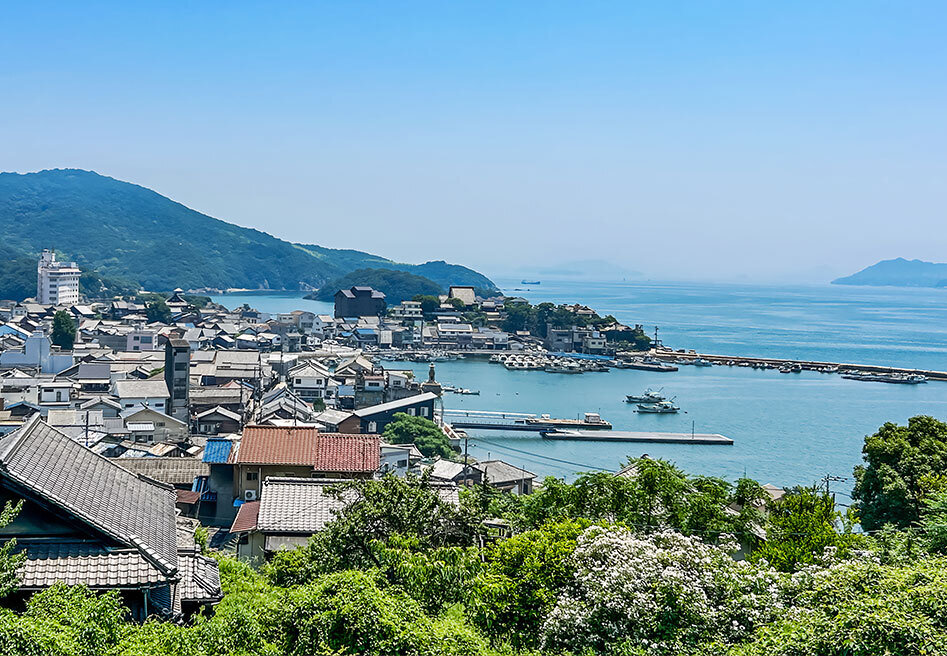
Today, walking around the port presents a familiar scene of fishing boats coming and going and ferries departing for Sensui Island. Knowing that prayers for maritime safety have continued right alongside these everyday sights offers a fresh perspective on Tomonoura's deep relationship with the sea.
The "Otebi Fire Ritual": A Signature Summer Event in Tomonoura
No discussion of Nunakuma Shrine is complete without mentioning the "Otebi Fire Ritual" held every July. Designated as an Intangible Folk Cultural Property of Fukuyama City, it is one of Tomonoura's most iconic traditional events.
The highlights and dynamic atmosphere of the event are covered in detail in this article:
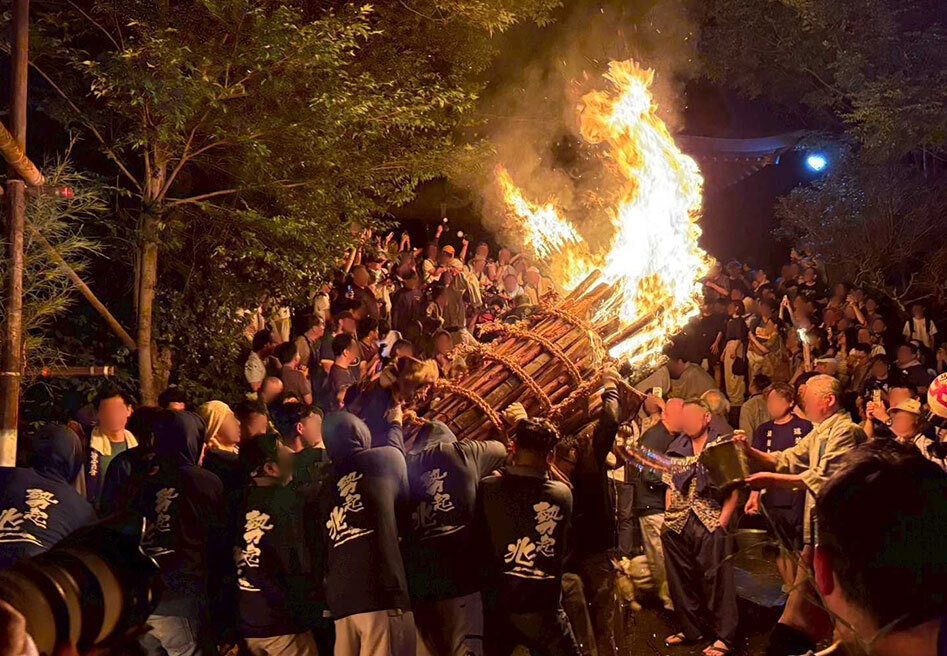 Massive torches measuring about 4.5 meters in length and weighing over 150 kilograms are ignited, as bearers carry them through the shrine grounds.
Roaring flames, scattering embers, and spirited chants echoing through the precinct--on this special night, even locals who know Nunakuma Shrine well feel as though they have stepped into a completely different world.
The Otebi Fire Ritual is more than just a dramatic fire festival. It has been passed down as a sacred purifying ritual using torch flames to cleanse the pathway before the mikoshi (portable shrine) of Susanoo-no-Mikoto makes its procession.
At Hotel Ofutei, many summer guests express their desire to watch the Otebi Fire Ritual. The shrine can be reached on foot from the hotel. As you walk through the streets, the crowds gradually swell, shifting the town's atmosphere into a unique pre-ritual excitement.
The contrast between the serene daytime shrine grounds and the night illuminated by blazing flames makes the day of the Otebi ritual truly special.
Preserving the Oyumi Ritual and Autumn Festivals
In addition to the Otebi ritual, Nunakuma Shrine hosts various festivals and religious ceremonies throughout the year.
The "Oyumi Archery Ritual" in February is a traditional ceremony that prays for peace during the year while driving away evil spirits from the previous year.
On June 30, the "Chinowa Kuguri" (passing through a sacred cogon-grass ring) takes place to cleanse impurities from the first half of the year and pray for health and safety in the remaining months.
In autumn, a festival featuring decorative float processions called "Chosai" fills the streets of Tomonoura with vibrant celebration.
Observing these traditions reminds us that Nunakuma Shrine is not merely a historic sightseeing spot, but a living center of daily life for Tomonoura's residents.
On festival days, locals assemble to prepare, with people of all generations coming together. Every year at the same season, the community naturally gathers, passing these customs down to the next generation.
The festivals centered around Nunakuma Shrine reveal another authentic dimension of Tomonoura.
The Noh Stage Connected to Toyotomi Hideyoshi
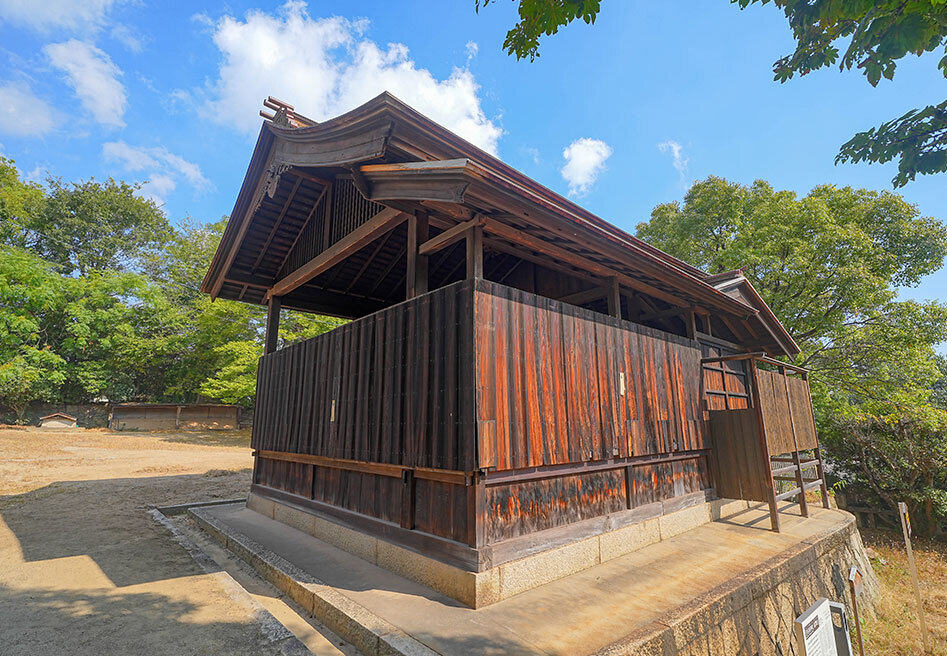 When visiting the grounds, be sure to view the "Noh Stage," designated as a National Important Cultural Property.
This Noh stage is said to have originally been constructed at Fushimi Castle in Kyoto by Toyotomi Hideyoshi, who was an avid patron of Noh theater.
Later, Katsunari Mizuno, the first lord of the Fukuyama Domain, received it from the second shogun Tokugawa Hidetada. Eventually, Katsusada Mizuno, the third lord of Fukuyama Domain, donated it to Nunakuma Shrine.
Its defining characteristic is that it was originally a "portable Noh stage" designed for disassembly and transport. Although now fixed in place, it remains the only Noh stage in Japan that preserves this portable structural design.
First-time visitors often ask hotel staff in wonder, "How did such a grand Noh stage end up here?"
A cultural treasure associated with Toyotomi Hideyoshi resting within a harbor town shrine stands as a testament to Tomonoura's historic role as a hub connected to diverse people and cultures via the sea.
Climbing the Stone Steps into the Precincts
When visiting Nunakuma Shrine, we recommend walking through the town after exploring harbor landmarks such as the Joyato lantern and gangi steps.
After admiring the waterfront highlights, stroll through the traditional streetscapes toward the shrine.
As you gradually leave behind the hustle and bustle of the harbor, pass under the torii gate, and climb the stone stairs, you will enter the quiet shrine grounds.
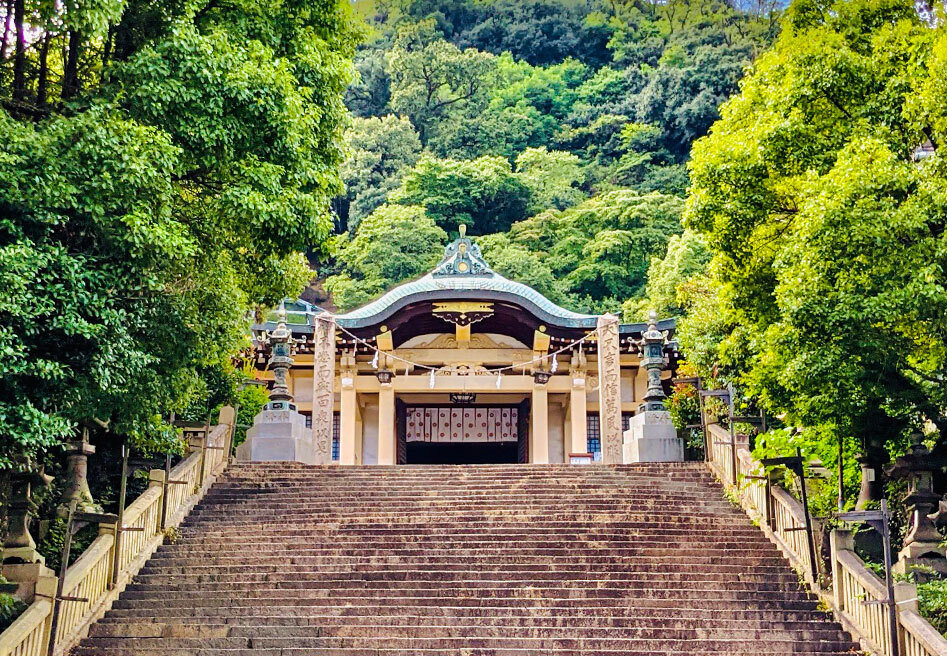 The stone steps that torchbearers ascend while carrying blazing fires during the Otebi ritual are remarkably peaceful on ordinary days.
Standing on those stairs in person makes looking at photographs of the Otebi ritual even more impactful, as you realize, "The massive torches were carried right up these steps!"
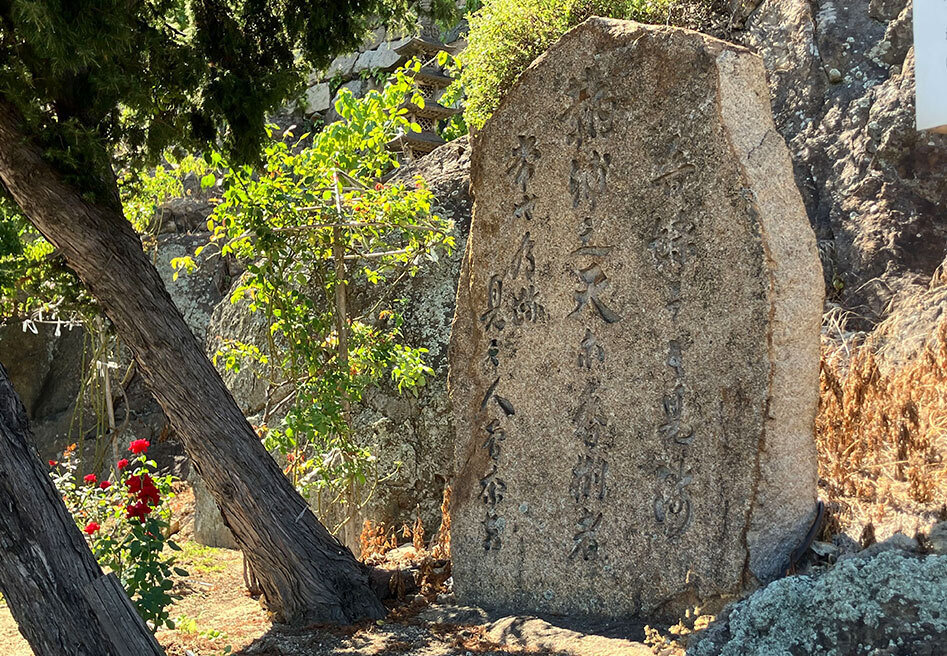
Rather than visiting only the main worship hall, take time to explore the Noh stage and stone monuments. Doing so allows you to experience a distinct side of Tomonoura away from the coast.
Exploring Both Harbor and Shrine
In previous volumes of "Tomonoura History Chronicles," we have explored local history with a focus on maritime themes--such as the Joyato lantern, gangi steps, Kitamaebune, and Joseon Tongsinsa envoys.
On the other hand, looking at the daily lives of the residents reveals that prayers for maritime safety, family health, and community peace have always been an integral part of Tomonoura's history.
The port and the shrine are located close to each other along the town's charming streets. Gaze out at the sea from the Joyato lantern, then wander through historic alleys toward Nunakuma Shrine.
Walking this route reveals that Tomonoura's identity as a port town extends beyond the coastline alone.
During your stay at Hotel Ofutei, we invite you to venture slightly beyond the harbor. Enjoy a peaceful walk through the serene shrine grounds, or time your trip to experience a festival day.
By visiting "Gion-san," a beloved shrine cherished for generations, you can connect with the authentic local life of Tomonoura.
In our next edition of "Tomonoura History Chronicles," we will explore "Homeishu," the specialty medicinal liquor produced in Tomonoura since the Edo period, along with the unique culture of this harbor town.
Nunakuma Shrine Basic Information
| Location | 1225 Tomocho Ushiroji, Fukuyama City, Hiroshima Prefecture 720-0202 |
| Worship Hours | Free entry to shrine grounds *Please check official updates in advance regarding shrine office hours. |
| Access from Hotel Ofutei | Approx. 10-15 minutes on foot |
| Main Enshrined Deities | Owatatsumi-no-Mikoto / Susanoo-no-Mikoto |
| Major Rituals & Festivals | Oyumi Archery Ritual (Feb) / Chinowa Kuguri (June 30) / Otebi Fire Ritual (July) / Autumn Festival "Chosai" (around Sept) |
*Festival schedules may vary by year. Please verify the latest information before visiting.
[References]
▷ Fukuyama City "About Tomonoura"
▷ Fukuyama City "Nunakuma Shrine"
▷ Fukuyama City "History of Tomo Town (Ancient to Medieval)"
▷ Fukuyama City "Festivals & Events in Tomo"
The emojis on this site use Twemoji (© Twitter, Inc. and contributors). License: CC-BY 4.0