



2026.10.15
What is "Homeishu," Tomonoura's Signature Specialty? | The History and Culture of a Port Town Since the Edo Period
Tomonoura Historical Chronicles
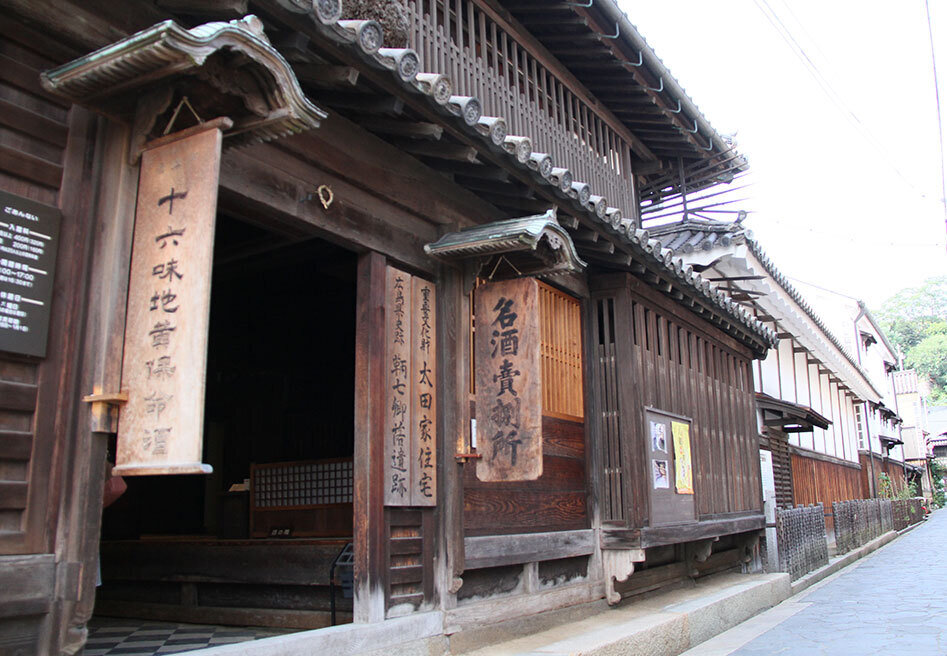
Tomonoura History Chronicles Vol. 11
Tomonoura, which flourished as a port for awaiting favorable tides, is filled with the stories of people who visited, departed from, and kept this town in their thoughts.
"Tomonoura History Chronicles" is a 12-part series introducing the figures and historical events deeply connected to Tomonoura.
In this 11th volume, we feature Homeishu, the signature specialty liquor of Tomonoura.
Strolling around the harbor area, you will notice traditional merchant houses displaying wooden signs for "Homeishu," where historic breweries and shops continue to craft this special liqueur today.
Guests often ask us at the hotel, "What kind of liquor is Homeishu?"
Homeishu is actually a historic remedy liquor that has been carefully brewed in Tomonoura since the Edo period.
In this volume, we introduce the origins of Homeishu, how its production blossomed in this port town, and the surviving brewing traditions that remain alive in Tomonoura today.
The Birth of "Jurokumi Jio Homeishu" in Tomonoura
The history of Homeishu began in 1659 (Manji 2).
It is said that Kichibei Nakamura, a physician who moved from Osaka to Tomo, began creating and selling a medicinal liqueur infused with traditional herbs.
Brewed using glutinous rice and rice koji as a base, it is infused with 16 traditional Asian herbs including rehmannia root (jio), earning it the historical name "Jurokumi Jio Homeishu."
It is characterized by a rich, velvety sweetness complemented by a distinct, comforting herbal aroma.
During the Edo period, Homeishu was treated as a prized specialty of the Fukuyama Domain and was presented as a gift to the shogun.
What began at a single brewery in Tomonoura eventually grew into an iconic regional product representing the Fukuyama Domain.
Brewing Culture Nurtured in a Harbor of Ships and Merchants
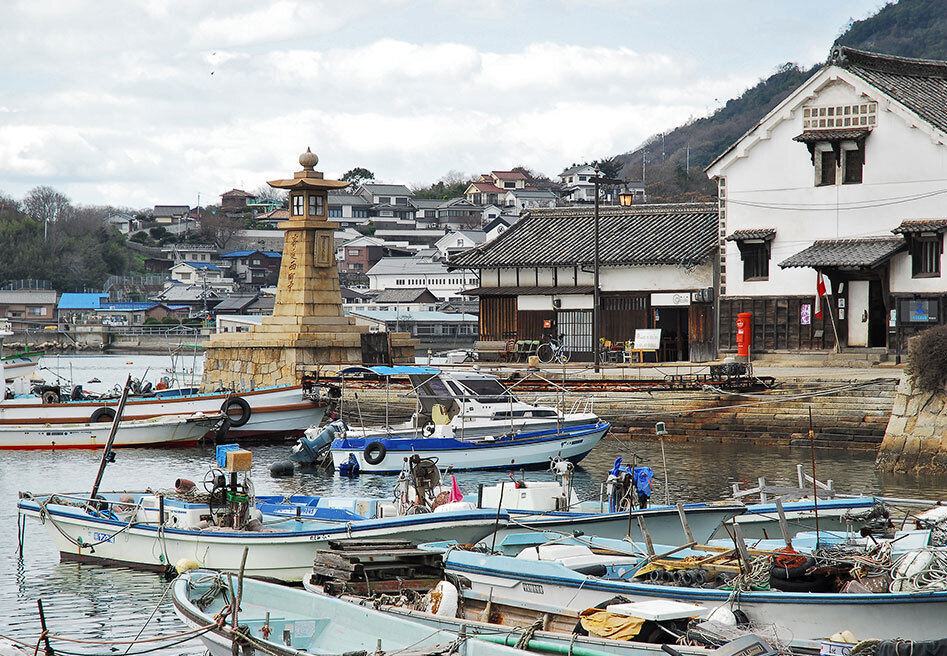 The expansion of Homeishu brewing was deeply rooted in Tomonoura's vibrant port life.
In an era when navigation depended entirely on wind and tides, Tomonoura served as a vital harbor where ships anchored to wait for favorable marine currents.
When merchant vessels like Kitamaebune docked, sailors dined in town while merchants traded cargo and procured essential provisions for their upcoming voyages.
As a busy crossroads attracting travelers from across Japan, the port also became a gateway for shipping local Tomo products nationwide.
Hand in hand with the flourishing maritime trade, Homeishu gained widespread renown, evolving into a key industry supporting the port's commercial economy.
The historic merchant residences and breweries preserved around the harbor today still reflect the bustling spirit of that golden maritime era.
▶ Related Article | Tomonoura History Chronicles Vol. 6 | The Port for Awaiting Tides Nurtured by Kitamaebune
A Toast Welcoming Joseon Tongsinsa Envoys
Homeishu was served not only to sailors and merchants visiting from across Japan, but also to distinguished guests who crossed the sea to reach Tomonoura.
Among them were the "Joseon Tongsinsa"--diplomatic envoys dispatched from the Korean Joseon Dynasty to Japan during the Edo period.
Traveling through the Seto Inland Sea, the envoys stopped at Tomonoura and engaged in cultural exchanges with Japanese hosts at Taishorou, the guest hall of Fukuzenji Temple.
Historical records note that Homeishu was served during these banquets, inspiring envoys to compose classical Chinese poems praising its taste.
To this day, Taishorou displays a famous wooden plaque inscribed "Nitto Daiichi Keisho" (The finest scenic view east of the sun), presented by a Joseon envoy admiring Tomonoura's panorama.
Alongside breathtaking sea views, Tomonoura's locally brewed liquor played an important role in extending warm hospitality to foreign dignitaries.
Knowing that the Homeishu we serve to our guests today was enjoyed at diplomatic banquets nearly 300 years ago adds a delightful sense of historical connection.
▶ Related Article | Tomonoura History Chronicles Vol. 7 | The Port Town Beloved by Joseon Tongsinsa Envoys
The Ota Residence: Preserving the Heritage of Historic Breweries
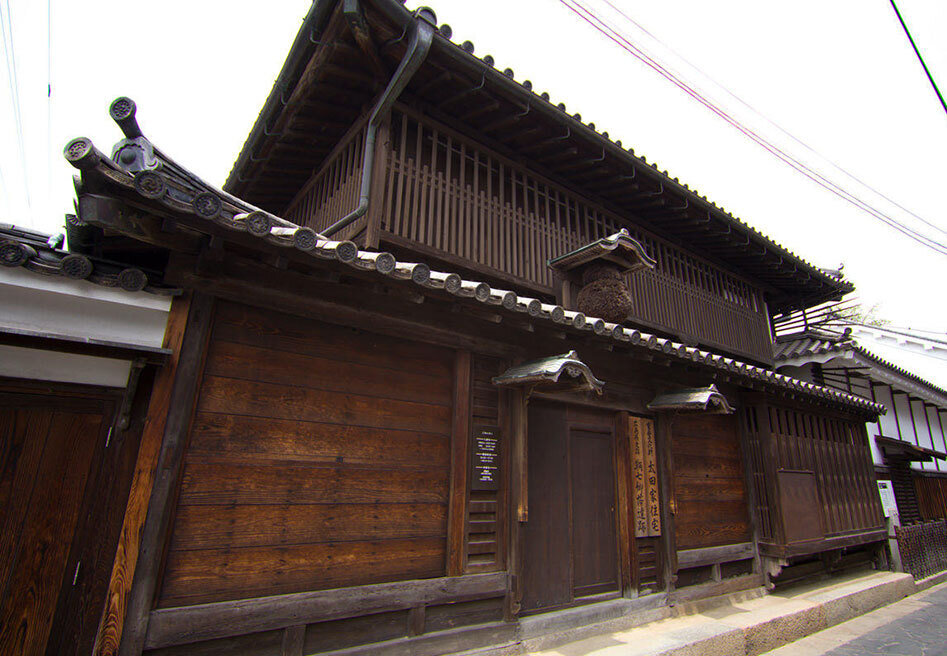 One of the prime locations preserving the history of Homeishu is the Ota Residence, located just a short walk from the Joyato stone lantern.
Originally belonging to the Nakamura family who founded Homeishu, its main house and storehouse complex are designated as Important Cultural Properties of Japan.
The grand main townhouse facing the street and the interconnected storehouses behind it offer a vivid glimpse into the prosperity of Edo-period merchant houses.
The existence of such an impressive brewery complex so close to the Joyato lantern illustrates how closely maritime commerce and local brewing were intertwined.
Visiting the Ota Residence alongside the harbor scenery lets you experience the rich history of Homeishu directly through its preserved architecture.
▶ Related Article | Tomonoura History Chronicles Vol. 9 | Joyato Stone Lantern and Gangi Steps of Tomonoura
Homeishu Brewing Today | The Four Active Breweries of Tomonoura
Irie Toyozaburo Honten
A historic brewery that continues to craft Homeishu while honoring traditional recipes. In addition to Homeishu, they offer sake lees and artisanal sweets made with Homeishu. The complimentary aperitif served before dinner at Hotel Ofutei is sourced from this brewery.
Okamoto Kametaro Honten
A venerable brewery that inherited the original signboards and brewing tools from the Nakamura family, the creators of Homeishu. Dedicated to brewing high-quality Hon-Mirin, they produce the famous "Okakame Homeishu."
Tomo Shuzo (Homeishuya)
The brewery behind "Tomoe Brand Jurokumi Homeishu." They take great care in preparing the koji essential for their base sake, creating a distinctively rich flavor profile.
Hatta Homeishu-po
Known for its signature "Akataru Homeishu," this brewery continues the time-honored tradition of infusing carefully selected Asian herbs into their Homeishu.
"What does Homeishu taste like?"
Guests often ask us about its flavor profile. Homeishu is known for its silky sweetness and complex herbal aroma derived from 16 traditional botanicals.
At shops offering tastings, you can sample different varieties to find the bottle that best suits your palate.
You will also find a variety of Homeishu-infused sweets and treats, making souvenir shopping a delightful experience.
*Homeishu contains alcohol. Tastings and consumption are strictly limited to adults aged 20 and over. Drivers and pregnant or nursing individuals should refrain from tasting.
Enjoying Homeishu at Hotel Ofutei
At Hotel Ofutei, we serve Homeishu from Irie Toyozaburo Honten as a welcoming aperitif before dinner.
Irie Toyozaburo Honten is one of Tomonoura's dedicated active breweries that preserves traditional methods passed down through generations.
Beginning your Kaiseki meal of seasonal Setouchi delicacies with a glass of Homeishu offers a lovely introduction to local flavors.
We hope you enjoy the gentle sweetness and aromatic bouquet unique to this local specialty.
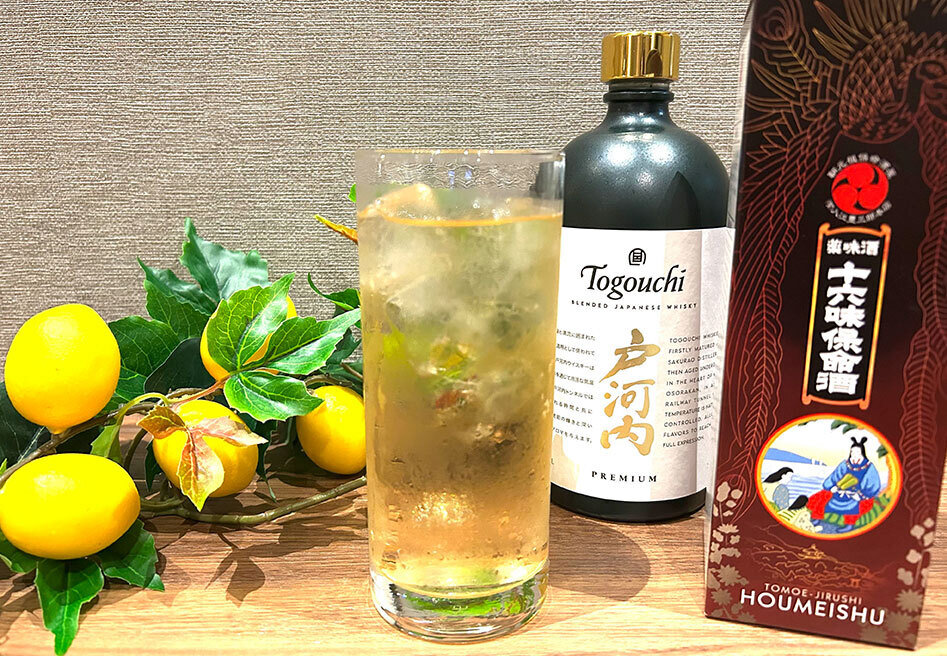 Our drink menu also features the "Tomonoura Highball," an original cocktail blending Homeishu with Togouchi Japanese Whisky.
Combining the rich sweetness of Homeishu with the refined aroma of Togouchi Whisky, it delivers a refreshing, crisp finish.
It is highly recommended for guests who fall in love with Homeishu as an aperitif or those looking to enjoy it in a unique new way.
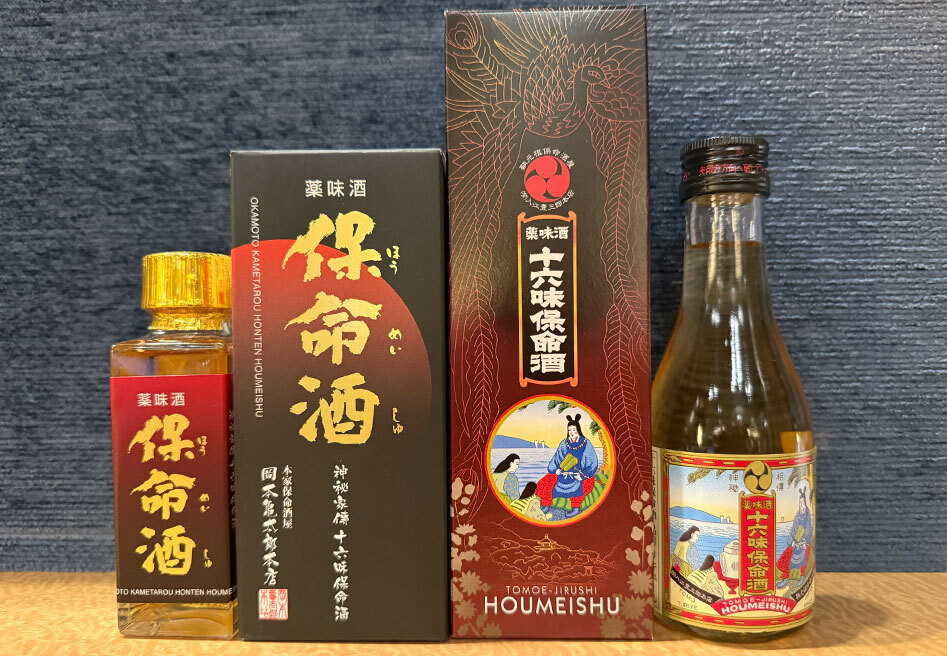 The Homeishu served with dinner is available for purchase at our hotel gift shop.
Along with Irie Toyozaburo Honten's Homeishu, we also stock selections from Okamoto Kametaro Honten.
Other popular items include "Homeishu Herbal Throat Drops" and gourmet sake lees. Some guests love the sake lees so much they purchase multiple packs to take home.
Whether you enjoyed Homeishu during dinner or are looking for gifts for family and friends, please drop by our gift shop.
From the Harbor to the Historic Breweries
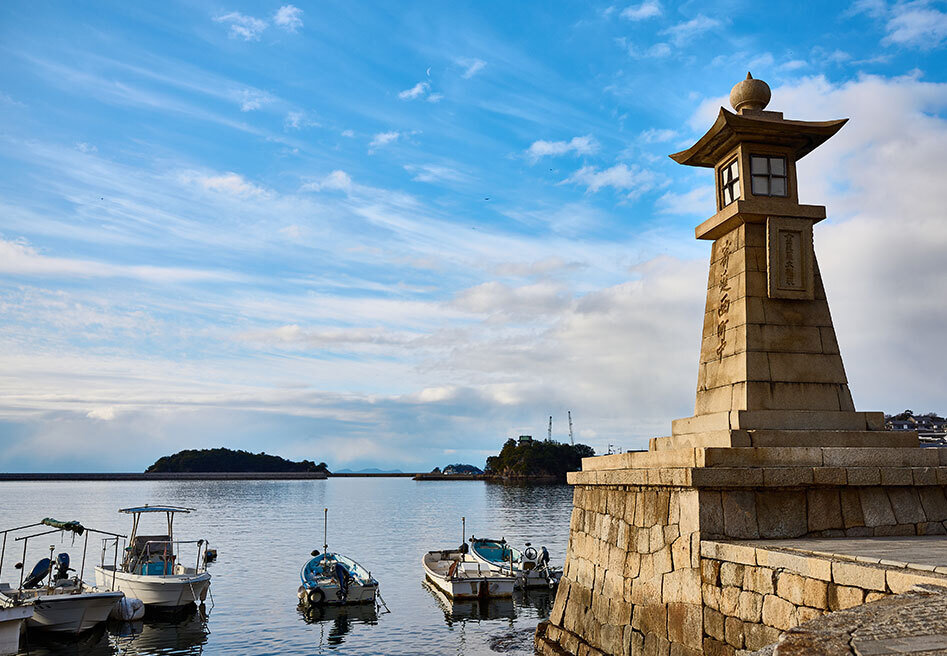 After learning about the history of Homeishu, we highly recommend taking a stroll to visit the breweries and shops in town.
Along the street leading from the Joyato lantern toward the Ota Residence, traditional townhouses line the alleys, dotted with Homeishu shops and breweries.
Take your time browsing bottles displayed in shopfronts, or ask the friendly shopkeepers for recommendations.
Enjoy discovering your favorite bottle while chatting with staff and exploring each brewery's unique offerings.
Encountering places where Homeishu is still crafted and sold inside centuries-old architecture is one of the true delights of walking around Tomonoura.
As you explore the Joyato lantern and Ota Residence, keep an eye out for the historic Homeishu wooden signboards.
Port Town Culture Inherited Alongside Homeishu
Created in the Edo period, Homeishu remains beloved as Tomonoura's signature specialty after more than 360 years.
After exploring the harbor streets, you can savor Tomonoura's locally brewed Homeishu during dinner at Hotel Ofutei.
Enjoying the same liqueur you spotted in town alongside seasonal Setouchi cuisine creates an unforgettable travel memory unique to Tomonoura.
In our next edition of "Tomonoura History Chronicles," we will reflect on the port town's rich culture and history under the theme: "Why Was Tomonoura Selected as a Japan Heritage Site?"
[References]
▷ Fukuyama City "History of Tomo Town (Early Modern Era)"
▷ Agency for Cultural Affairs Japan Heritage "A Port Town Embraced by Setouchi Dusk"
▷ Tomo Story "Homeishu of Tomonoura"
▷ Tomonoura History Chronicles Vol. 6 "The Port for Awaiting Tides Nurtured by Kitamaebune"
▷ Tomonoura History Chronicles Vol. 7 "The Port Town Beloved by Joseon Tongsinsa Envoys"
▷ Tomonoura History Chronicles Vol. 9 "Joyato Stone Lantern and Gangi Steps of Tomonoura"
The emojis on this site use Twemoji (© Twitter, Inc. and contributors). License: CC-BY 4.0