



2026.08.21
Ashikaga Takauji and Tomonoura | The Story of a Port Town That Supported the Dawn of the Muromachi Shogunate
Tomonoura Historical Chronicles
Tomonoura Historical Chronicles Vol. 3
Tomonoura, which flourished as a port for waiting out tides, preserves countless stories of people who visited, departed from, and dearly cherished this town.
"Tomonoura Historical Chronicles" is a 12-part series introducing notable historical figures and events connected to Tomonoura.
Part 3 features Ashikaga Takauji, the warlord who founded the Muromachi Shogunate.
While Takauji is strongly associated with Kyoto and Kamakura, his footsteps are also deeply etched into the history of Tomonoura, turning his life around. For us guiding guests in Tomo daily, realizing that the temples and streets we casually view connect to events from nearly 700 years ago is truly astonishing. In 1336, en route to Kyushu, Takauji received an imperial decree ("Inzen") from Retired Emperor Kogon right here in Tomonoura. After rebuilding his forces in Kyushu, he returned to Tomo before marching on Kyoto, reportedly holding a crucial war council here.
Connecting so deeply with the clan that history declares "The Ashikaga rose in Tomo and perished in Tomo," Tomonoura holds a unique place in samurai history. Here, we introduce Takauji's path to resurgence forged in this port town and historical sites that remain today.
Ashikaga Takauji Living Through a Major Turning Point
The early 14th century, when Takauji was active, was a chaotic era marked by the fall of the Kamakura Shogunate and the start of Emperor Go-Daigo's new government. Having aided in overthrowing Kamakura, Takauji later found himself in opposition to Go-Daigo's administration.
Defeated in Kyoto, Takauji retreated westward toward Kyushu. Driven as a fugitive, this journey represented a critical juncture that would determine whether he could ever stage a comeback.
 It was during this desperate retreat that he stopped at Tomonoura, a key port in the Seto Inland Sea. Hard to imagine from today's peaceful seascape, news that would change the course of history was about to reach Tomo.
Receiving the Imperial Decree ("Inzen") Supporting Resurgence in Tomonoura
In 1336, Takauji received an imperial decree ("Inzen") from Retired Emperor Kogon in Tomonoura. An "Inzen" was an official document expressing the sovereign's will.
According to the historical chronicle Baishōron, receiving this decree cleared Takauji of treason charges, greatly boosting his army's morale. For Takauji, who had been hunted, securing imperial backing provided immense authority to gather allies and rise again.
A single document transformed a fugitive's standing, rallied soldiers' hearts, and altered the flow of upcoming battles. Receiving the decree in Tomonoura became a crucial turning point for Takauji's resurgence and the eventual establishment of the Muromachi Shogunate.
Rebuilding Power in Kyushu & Returning to Tomo
Departing Tomonoura for Kyushu, Takauji achieved victory at the Battle of Tatarahama, rebuilding his military power. Advancing back east toward Kyoto, he called at Tomonoura once more.
According to Fukuyama City historical records, Takauji held his final war council here to plan his assault on Kyoto, deciding to split his army into naval and land forces. The fleet advancing through the Seto Inland Sea and land forces marching along the Sanyo Road--this grand strategy was devised right in Tomonoura.
Takauji entered Kyoto and became Sea-i Taishogun in 1338. While the Muromachi Shogunate was officially established in Kyoto, Tomonoura was the port town that provided the momentum and resolve for his triumphant return.
Why Tomonoura Became a Stage of History
The reason Takauji stopped at Tomonoura both when fleeing to Kyushu and returning to Kyoto lies in its importance as a key port along Seto Inland Sea shipping routes.
 Sailing vessels of old navigated by reading tides and winds. Located near the center of the Seto Inland Sea, Tomonoura served as a vital harbor for "waiting out tides" and "waiting out winds," drawing countless ships, merchants, and news from across Japan.
Refitting ships, resting troops, and determining next maneuvers--Tomonoura as a sea and land junction was indispensable for Takauji to command massive armies traveling between western provinces and Kyoto.
Bingo Ankokuji Temple Preserving War Memories
 One site transmitting Takauji's connection with Tomonoura is Bingo Ankokuji Temple.
Ankokuji temples were established in each province by Ashikaga Takauji and his brother Tadayoshi upon the advice of Zen master Musō Soseki to pray for those fallen in war since the Genkō era. Kinpoji Temple in Tomonoura was designated as Bingo Province's Ankokuji in 1339.
Takauji's path was paved over many battles. Reflecting on Ankokuji's origin of honoring those who lost their lives in war reveals another dimension of Takauji beyond his fierce reputation as a warlord.
 The precinct houses the Shaka-do hall (a National Important Cultural Property), dry landscape gardens, and sago cycad trees designated as Hiroshima Prefecture Natural Monuments. Though quiet, walking through these peaceful grounds lets you feel Tomonoura's 700-year history closely.
Nanboku-cho Memories at Komatsuji Temple and Taigashima
 Beyond Bingo Ankokuji, other sites in Tomonoura preserve memories of the Nanboku-cho (Northern and Southern Courts) era.
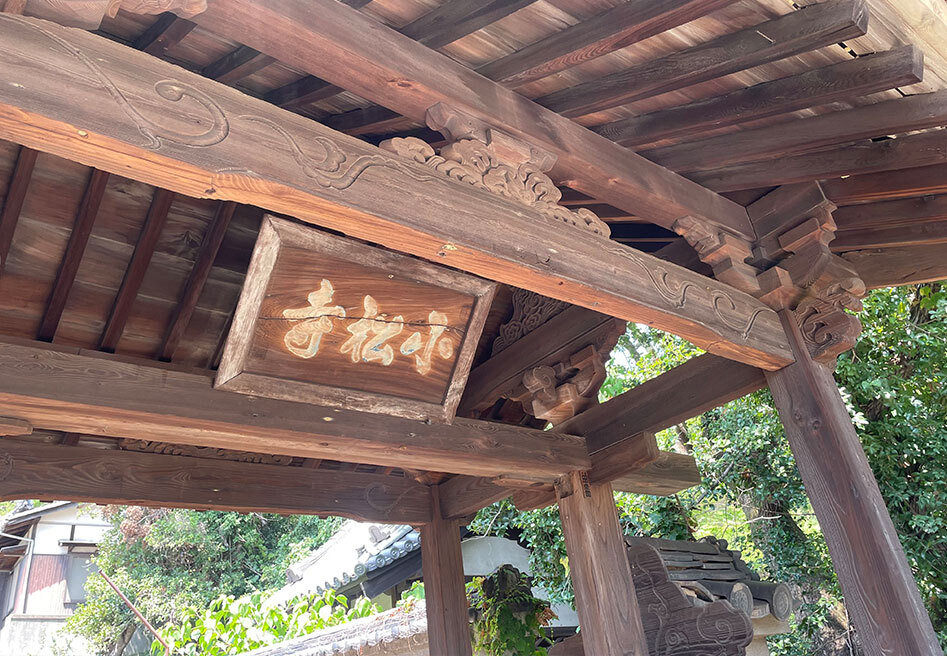
Komatsuji Temple, said to have been founded by Taira no Shigemori, is where Takauji received Emperor Kogon's decree. Connected not only to first shogun Takauji but also to final shogun Ashikaga Yoshiaki, it witnessed both the birth and end of the Ashikaga clan.
Additionally, areas around Taigashima on the east side of Tomo Port and Komatsuji served as battlegrounds between Southern and Northern forces. In 1349, Takauji's son Ashikaga Tadafuyu entered Taigashima Castle as Chūgoku Tandai, briefly making Tomonoura the political center of eight Chūgoku provinces.
 Now peaceful temples and harbor views, these sites overlay medieval memories where warlords clashed. Today, fishing boats sail the harbor while locals go about daily life.
Having 700 years of deep history breathing quietly within ordinary daily scenery is part of Tomonoura's charm.
Gazing at narrow alleys, historic townhouses, and the stone Joyato lantern while exploring historic footprints makes for an enriching journey.
"The Ashikaga Rose in Tomo and Perished in Tomo"
To Tomonoura, where first shogun Ashikaga Takauji gained strength for his resurgence, the final shogun Ashikaga Yoshiaki also arrived nearly 240 years later.
Driven from Kyoto by Oda Nobunaga, Yoshiaki entered Tomo in 1576 under the protection of the Mōri clan to rebuild his shogunate. Political movements centered around Yoshiaki in Tomo are sometimes called the "Tomo Shogunate."
The town where first shogun Takauji received an imperial decree became the refuge where final shogun Yoshiaki sought resurgence. This historical parallel led to the saying, "The Ashikaga rose in Tomo and perished in Tomo."
A single port town deeply involved in both the beginning and end of the Muromachi Shogunate speaks to the profound depth of Tomonoura's history.
Exploring Tomonoura Through History
Walking through Tomonoura with knowledge of Ashikaga Takauji's story offers a fresh perspective on familiar harbor views.
At Komatsuji Temple, picture Takauji receiving the decree for his comeback; at Bingo Ankokuji Temple, sense prayers for those lost in battle. Both are quiet, reflective temples where you can feel time carved into the precinct.
Extending your walk toward the harbor brings Taigashima into view, once the stage for Nanboku-cho battles.
 When exploring Tomonoura, venture beyond the shoreline into inner alleys. Our staff frequently recommends these temple and alley walks, as paths between destinations preserve traditional townhouses and stone walls.
Two Port Calls That Moved an Era
Takauji called at Tomonoura twice: first during his desperate retreat toward Kyushu, and second when advancing victoriously toward Kyoto.
Reaching Tomo in uncertainty the first time versus returning with a massive army the second--though visiting the same harbor, the views in Takauji's eyes must have been completely different.
Tomonoura, a harbor that waited for shifting tides to send ships forward, mirrors Takauji's journey of pausing before moving forward again.
When staying at Hotel Ofutei, visit Komatsuji and Bingo Ankokuji, and gaze out at the inland sea Takauji beheld twice. Tomonoura is a town best experienced on foot. Walking the harbor, visiting temples, and pausing to look at the sea bring 700 years of history alive.
In our next issue of "Tomonoura Historical Chronicles," we will introduce Tomonoura as depicted in the Man'yōshū alongside Otomo no Tabito and the "Muro-no-ki" willow tree.
【Reference Materials】
▷ Fukuyama City: "History of Tomo-cho (Ancient to Medieval)"
▷ Fukuyama City: "History and Tomo"
▷ Fukuyama City: "Ankokuji Amida Nyorai and Attendants -- Honzon Watching Over History"
▷ Fukuyama Tourism & Convention Association: "Komatsuji Temple"
▷ Hiroshima Prefecture: "Millennium Port Town Tomonoura -- What Is Its Charm?"
The emojis on this site use Twemoji (© Twitter, Inc. and contributors). License: CC-BY 4.0